

The first 90 days of small business SEO in India are for building a foundation: getting Google to find and understand your site, publishing pages that answer buyer questions, and checking what is happening. They are not a promise of rankings or steady leads. Plan for months, and use this month-by-month plan, skip list and checklist to start.
Short answer: what the first 90 days of small business SEO are for
The first 90 days of SEO are for building a foundation, so Google can find your business and people can understand what you sell. They are not the moment rankings and steady leads arrive.
Hello, and welcome! We are CodeTron, a studio with 10+ years in development and marketing, and when we start a client’s marketing we set up SEO first. Our reason is simple: it is one of the most important things to do, because it tells people you exist and helps you be found on Google and in AI chatbots.
We also see the same mistake again and again. Owners think it will start getting leads and rank high from day one, but it takes time. So this guide is a calm, month-by-month small business SEO plan for one owner with a few hours a week, plus a clear list of things not to do yet. For the full timeline question, see our planned guide on how long SEO takes for a small business in India.
If you are still choosing your wider approach, our article on AI marketing automation for small businesses in India shows where SEO sits next to other first workflows. For Google’s own plain-language basics, see the Google Search Central SEO starter guide.
Before you start small business SEO: what you need in place
Before any SEO work, your website must load and read well on a phone, and it must say clearly what you offer and who it is for. Without these, extra visitors will not turn into enquiries.
A website that works on mobile and one clear offer
Open your site on your own phone. Can you read the text, tap the buttons and find what you sell within a few seconds? If you sell several things, pick the one main offer for the homepage and let the others sit on their own pages.
A way for enquiries to reach you
Decide how people will contact you: a phone number, a WhatsApp link, a form, or all three. Then test each one yourself. Send a test form message and check that it arrives. A broken enquiry path wastes any traffic you earn, and it is the cheapest problem to fix.
Pick your starting words for small business SEO
Write down five to ten phrases a customer might type when they need you, in plain language, with your city or service area where it matters. These are a starting list, not a rulebook. You will refine them once Google shows you real searches in month 1 and beyond.
Month 1 of small business SEO: set up so Google can find you
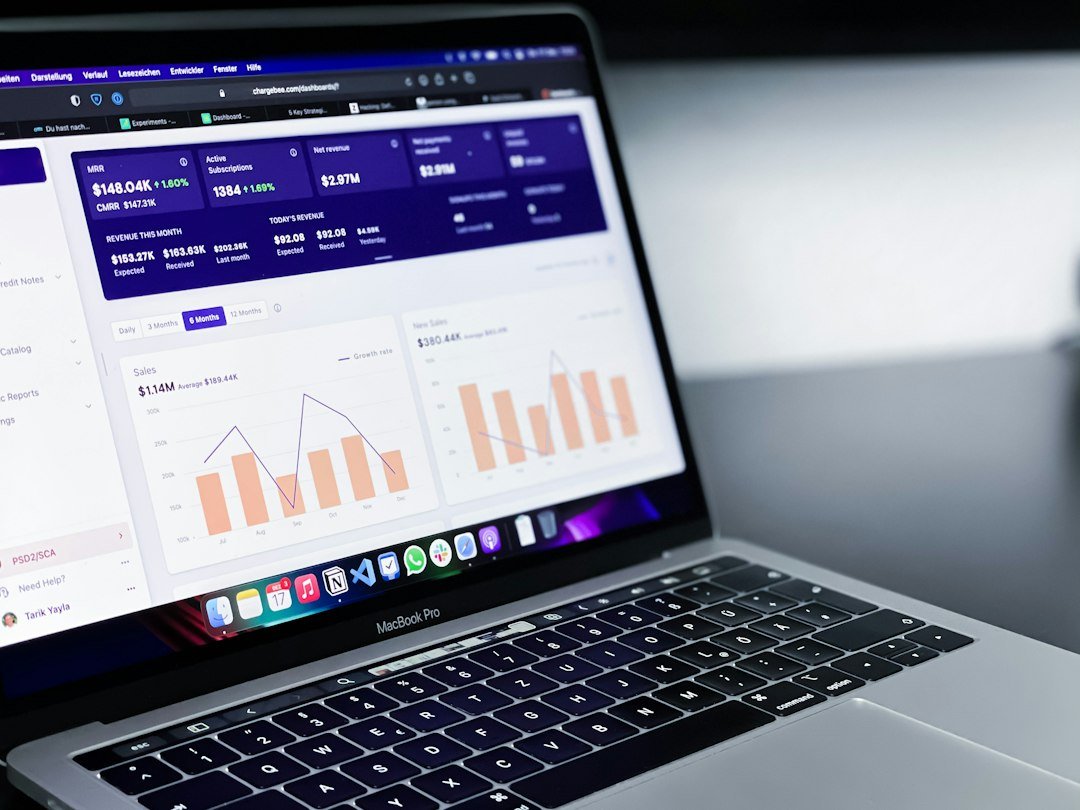
In month 1, connect the tools that show you what Google sees, and make your main pages easy to understand. This month is mostly setup, and it should feel like tidying rather than marketing.
Connect Search Console and Analytics first
Google Search Console shows which searches show your site, how often, and which pages Google has indexed. Connect it before anything else, because you cannot learn from data that you did not collect. Connect Google Analytics too, so you can see visits and what visitors do. Then submit your sitemap. Most website builders and WordPress SEO plugins create one for you.
An honest note: in the first weeks the numbers will be small, and some new pages will not be indexed yet. That is normal. Just check that the tools are connected and collecting.
Google Business Profile for small business SEO if you serve a local area
If customers find you by place, such as a shop, clinic, studio or local service, a Google Business Profile is a sensible early step. Fill it in completely: business name, category, address or service area, phone, hours and a few real photos.
Clean titles, headings and the same details everywhere
Give each main page its own clear title and one main heading that says what the page is about, in plain words. Then check that your business name, address and phone number are written the same way on your site, your Business Profile and your social pages. Small differences create confusion for people and for search engines.
What to check in Search Console
At the end of month 1, look at three things: whether your sitemap was read, how many pages are indexed, and whether any errors are listed. Write the numbers down. They are your starting line.
Month 2 of small business SEO: publish pages and articles that answer buyer questions
In month 2, give every main service its own page, then add articles that answer questions customers ask before they buy. Small and regular beats big and rare.
One page per main service
Each service page should say what you do, who it is for, how it works, what to expect and how to contact you. Use the customer’s words, not internal jargon. If you offer three services, that is three pages, each with a clear title and a simple call to action.
Then articles on real buyer questions
Think of the questions people ask on calls and in WhatsApp chats before they hire you. "How long does it take?" "What should I prepare?" "What is the difference between option A and option B?" Each good question can become a short, honest article. Our own examples are our guides on AI marketing tools for small businesses in India and on choosing an AI marketing agency or a freelancer.
Small and regular beats chasing 50 keywords
You do not need to target dozens of keywords. One useful page or article every week or two, written for a real person, is a pace one owner can keep for months. Consistency is what most solo owners struggle with, so choose a pace you can actually hold.
Have a person check every page
If you use AI tools to help draft, treat the output as a first draft. Check facts, add your own examples, and make sure it reads like you. Our own work follows the same habit: tools help, and a person decides.
Month 3 of small business SEO: build trust and check what is happening

In month 3, strengthen trust signals and improve the pages that already get attention. You are now learning from real data instead of guessing.
Reviews and listings
Ask happy customers for honest reviews on your Business Profile, and make sure you appear, with the same details, in the directories that matter in your trade. Ask politely, and never buy or invent reviews.
Internal links
Link your pages to each other where it helps a reader. A service page can link to the article that answers a common question, and the article can link back to the service. It helps visitors move around and helps Google see how your site fits together.
Update pages that get impressions
In Search Console, look for pages that show up in searches but get few clicks. Often the title or opening paragraph can be made clearer. Improve those first, because they are already close to being found.
What to look at
Check three simple things each month: impressions (how often you appeared), queries (what people searched) and indexed pages (what Google has stored). A guide to tracking SEO progress in these first 90 days is planned on this site, so check back for it.
What to expect from small business SEO at day 90 (and what not to expect)
At day 90, expect a working foundation and early signs in your data. Do not expect steady leads or top positions, and be wary of anyone who promises them.
Here is what our own clients told us about timing. For Fynsis Softlabs, a CRM and AI tools business where CodeTron did the marketing and outreach, the first visible result took 3-5 months, and the result was getting demos and clients. For RahbarCRM, an open-source CRM where CodeTron built the website and did marketing and client outreach with lead generation, it took 2-3 months, and the result was good traffic. Both timings are as reported by CodeTron, and we are not sharing traffic numbers here.
The lesson is not that your site will match those timings. Every site, market and competitor set is different. The lesson is that even for clients with a team working on it, the first visible result did not come in week one.
So at day 90, a good outcome looks like this: your tools are connected, your main pages are live, your Business Profile is complete, Google has indexed your pages, and you can see impressions growing or at least appearing. Most sites will not have steady leads yet. That is not failure. It is the stage before results.
What to skip in small business SEO in the first 90 days
Skip anything that promises a shortcut. The first 90 days reward patient basics, and shortcuts often cost money and trust.
- Buying links.Bought links are a risk and do nothing for the quality of your own pages.
- "Guaranteed rank" offers.No one controls Google’s results. Treat a guarantee as a warning sign.
- Chasing many keywords.Agencies often quote keyword counts as targets. That is typical agency advice, not a rule. One owner is better off covering a few topics well.
- Pasting AI text without a human check.Unchecked text can be wrong, generic or not like you. Read it, fix it, add your own experience.
- Judging by week-two numbers.Early charts are small and noisy. Look at trends over weeks, not days.
A short note on AI search and small business SEO
Many owners ask whether SEO helps you appear in AI chatbot answers. The same basics help: a clear site, useful pages, consistent business details and honest content. But no one can promise that a chatbot will recommend your business, and we do not.
Doing small business SEO yourself, with a freelancer or with a studio
You can do the first 90 days yourself with a few hours a week, hire a freelancer for parts of it, or use a studio for the whole team. The right choice depends on your time, your budget and how much you want to learn.
Doing it yourself
As a guide, plan on a few hours a week. Month 1 is the heaviest, with setup, and months 2 and 3 are steady writing and checking. This route costs the least money and teaches you the most, but it needs steady habits.
Hiring a freelancer
A freelancer can cover a clear piece, such as writing, a technical fix or the Business Profile. It is a good fit when you know what you need. We also hire freelancers for some of our own work, so we respect what a good one can do.
Using a studio
A studio brings several skills together: website, content, marketing and outreach. In our words, you get the entire team at the price of one single freelancer.
We should be open about our bias: CodeTron is a studio, and for SEO we take a minimum 3-month plan, because the first three months are mostly foundation. If you want to compare options in more depth, read our guide on AI marketing agency vs freelancer in India. If you would like help setting up your first 90 days, you are welcome to talk to us. We will not promise results, only a clear plan.
A 90-day small business SEO checklist you can copy
Use this list as a simple tracker. Tick each item when it is done.
Before you start
- Website works well on mobile
- One clear main offer on the homepage
- Phone, WhatsApp or form tested and working
- Five to ten customer phrases written down
Month 1: set up
- Search Console connected
- Analytics connected
- Sitemap submitted
- Google Business Profile completed (if local)
- Clear title and heading on each main page
- Business name, address and phone the same everywhere
- Starting numbers written down
Month 2: publish
- One page for each main service
- First articles answering real buyer questions
- A steady publishing pace chosen
- Every page checked by a person
Month 3: build and review
- Honest reviews requested
- Listings checked
- Internal links added
- Pages with impressions improved
- Impressions, queries and indexed pages recorded
For more on how SEO fits with your other first workflows, see our guide to AI marketing automation for small businesses in India.
FAQ about small business SEO in the first 90 days
These are the questions owners most often ask about small business SEO. The short answer to most of them is to plan for months, keep the basics clear and have a person check your work.
Can I rank in 30 days?
Unlikely. Plan for months, not weeks. CodeTron’s own clients saw their first visible results in 2 to 5 months, as reported by CodeTron, and no one can guarantee a result.
Do I need a blog for small business SEO?
Not at first. Start with one clear page for each main service, then add articles that answer questions buyers ask before they hire you.
Do I need a Google Business Profile for small business SEO?
If customers find you locally, it is a sensible early step. Fill it in completely and keep your details the same as on your website.
Does AI-written content hurt small business SEO?
We will not state a rule here. Our advice is to have a person check any AI-assisted text for accuracy and usefulness before you publish it.
How many hours a week does small business SEO take for one owner?
As a guide, a few hours a week is realistic. Month 1 usually takes more because of setup, and later months are steady writing and checking.
When should I ask for help with small business SEO?
Ask when you are stuck on setup, cannot keep a steady publishing pace, or want a team to cover several tasks. Choose help that gives honest expectations and no guaranteed rankings.